- Sethi and Sons Industries
- Feb 22, 2026
- Uncategorized
- 0 Comments
When it comes to drinking water systems, safety is not something anyone wants to compromise on. Whether it’s for your home, a commercial building, or a municipal water supply project, the quality of piping plays a crucial role in maintaining clean and safe water. One common question people ask is: Is HDPE pipe safe for drinking water?
At Sethi and Sons Industries, located in Tal. Kalyan, Dist. Thane, Maharashtra, India-421301, we often address this concern directly with customers, contractors, and project consultants. The simple answer is yes — HDPE pipes are safe for drinking water, provided they are manufactured using proper raw materials and follow approved quality standards. Let’s understand why.
What Is HDPE?
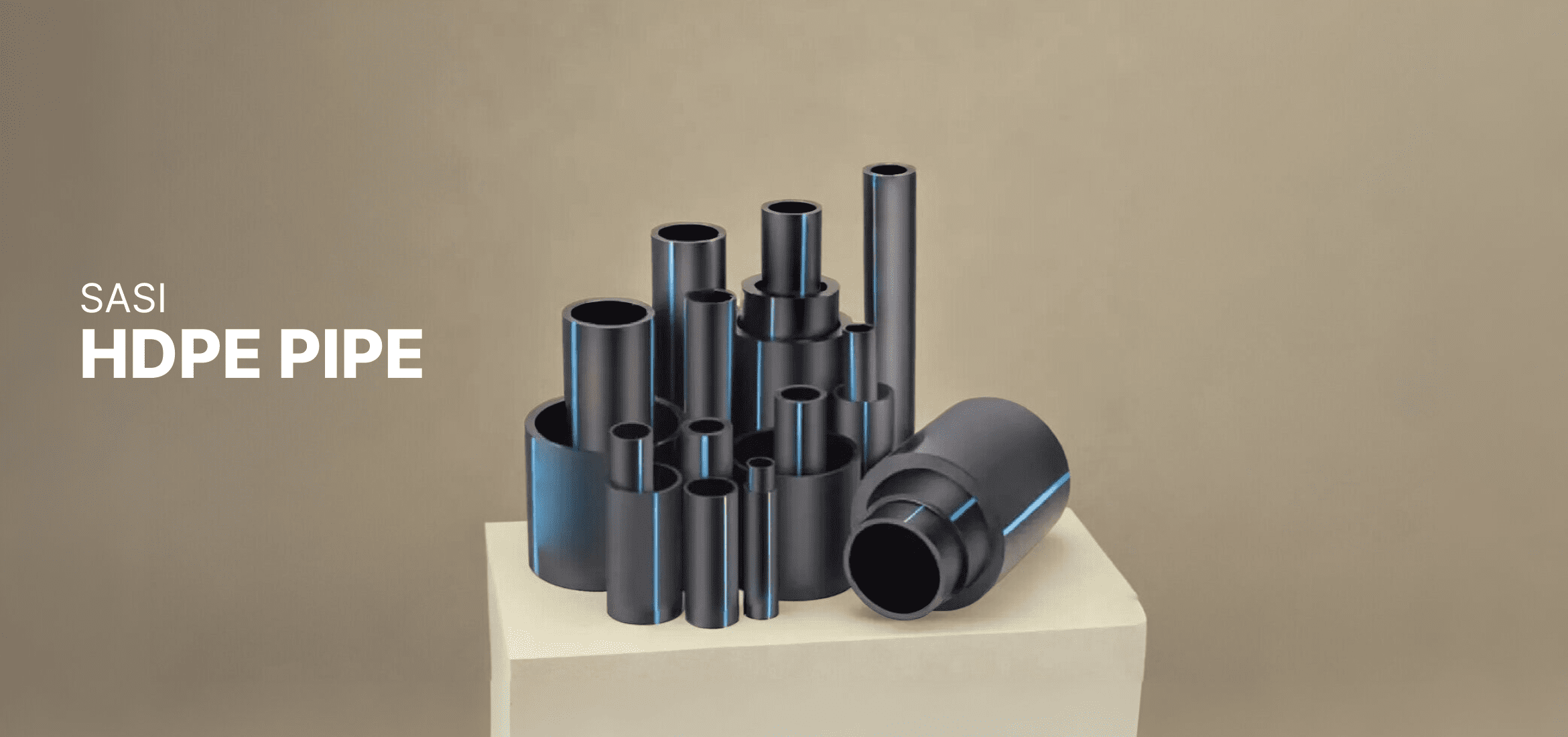
HDPE stands for High-Density Polyethylene, a strong, durable, and flexible thermoplastic material widely used in piping systems. It is known for its excellent chemical resistance, long life span, and ability to handle pressure without cracking or corroding.
For drinking water applications, the most important factor is that HDPE used must be food-grade and non-toxic. When manufactured using virgin, high-quality polyethylene resin, HDPE pipes do not release harmful chemicals into the water.
Non-Toxic and Safe for Potable Water
One of the biggest advantages of HDPE pipes is that they are non-toxic and chemically stable. Unlike some traditional piping materials, HDPE does not react with water or release contaminants. This ensures that the taste, odor, and quality of drinking water remain unchanged.
However, it’s important to note that not all HDPE pipes in the market are the same. Pipes intended for potable water must meet specific standards and be manufactured under strict quality control. Choosing a reliable manufacturer ensures the material used is safe for drinking purposes.
No Rust, No Corrosion
Traditional metal pipes can corrode over time. Corrosion can lead to rust particles mixing with water, which may affect both safety and taste. In some cases, corroded pipes can also weaken and cause leakage.
HDPE pipes are completely corrosion-resistant. They do not rust, scale, or deteriorate due to chemical reactions. This makes them especially suitable for long-term drinking water supply systems, both underground and above ground.
Leak-Free Jointing System
Another reason HDPE pipes are considered safe for drinking water is their fusion welding joint system. Unlike conventional pipes that rely on mechanical fittings, HDPE pipes are joined using heat fusion technology.
This process creates a seamless, monolithic joint — meaning the joint becomes as strong as the pipe itself. The result is a virtually leak-proof system. Reduced leakage not only prevents water loss but also eliminates the risk of outside contaminants entering the pipeline.
Long Life and Durability
HDPE pipes are known for their long service life — often 50 years or more under proper conditions. They can withstand high pressure, soil movement, and temperature variations without cracking.
Because they are flexible, they are also less likely to break during ground shifts or minor seismic activity. This durability ensures a consistent and safe water supply over many years without frequent maintenance or replacement.
Lightweight and Easy Installation
HDPE pipes are lightweight compared to metal or concrete pipes. This makes transportation and installation easier and more cost-effective. Faster installation reduces handling damage and ensures proper alignment, which further supports safe water delivery.
When installed correctly, HDPE pipelines maintain their structural integrity and water safety for decades.
Why Quality Matters
While HDPE as a material is safe for drinking water, the quality of manufacturing makes all the difference. Pipes must comply with recognized industry standards for potable water applications.
Using recycled or low-grade raw material for drinking water pipelines can compromise safety. That’s why selecting a trusted manufacturer is essential. Proper testing, quality assurance, and compliance with potable water standards ensure the final product is safe for human consumption.
If you are planning a residential, commercial, or municipal water supply project, choosing high-quality HDPE pipes ensures both safety and long-term performance.
Clean water starts with the right piping system — and HDPE, when manufactured correctly, is a safe and smart choice.