- Sethi and Sons Industries
- Feb 22, 2026
- Uncategorized
- 0 Comments
A garden pipe is one of the most commonly used tools in homes, farms, nurseries, and commercial spaces. From watering plants and maintaining lawns to washing vehicles and cleaning outdoor areas, we depend on it almost daily. However, one common issue that frustrates many users is kinking. The pipe suddenly bends sharply, the water flow stops, and you have to walk back to straighten it before continuing your work. Over time, this not only becomes irritating but also damages the pipe permanently.
At Sethi and Sons Industries, located in Tal. Kalyan, Dist. Thane, Maharashtra, India-421301, frequently receives questions about why garden pipes kink and how to prevent it. As explained by our owner in a recent video, preventing kinking is not complicated. It mainly depends on two important factors: choosing the right quality pipe and handling it correctly.
Choosing the Right Quality Pipe
The first and most important step in preventing kinking begins at the time of purchase. Not all garden pipes available in the market are made with the same standards or materials. Many low-cost options use inferior or recycled raw materials that make the pipe too soft. While such pipes may appear flexible, they tend to collapse easily when bent. Once the inner wall folds, it restricts water flow and weakens that particular section permanently.
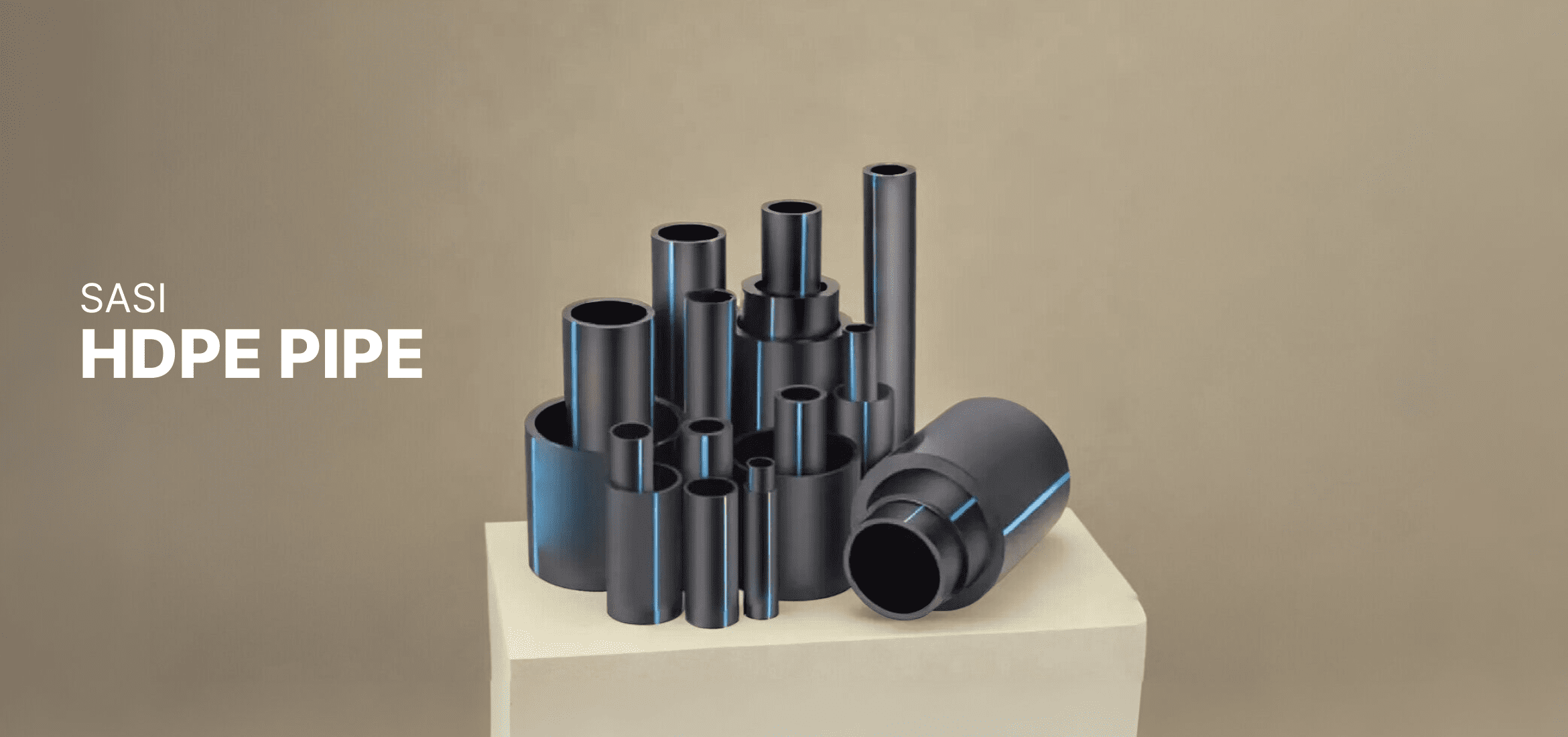
A high-quality garden pipe is manufactured using strong and durable raw materials with proper wall thickness. This ensures that the pipe maintains its round shape even when curved within its natural bending capacity. Good-quality HDPE or reinforced pipes are designed to provide flexibility without compromising structural strength. This balance is essential because a pipe should bend smoothly, not collapse under slight pressure.
Another important aspect of quality is uniform manufacturing. When the pipe wall thickness is consistent throughout, there are fewer weak points. Uneven thickness often becomes the starting point for kinks. That is why selecting a reliable manufacturer who follows strict quality control standards makes a significant difference. A well-manufactured pipe may cost slightly more initially, but it saves money in the long run by lasting longer and requiring fewer replacements.
In addition, anti-kink or reinforced garden pipes are available for users who require heavy-duty performance. These pipes are specially designed to resist twisting and collapsing, even under higher water pressure or extended usage. If your garden area is large or you frequently move the pipe around obstacles, investing in such a pipe can greatly reduce kinking problems.
Proper Handling and Storage
Even the best-quality pipe can develop kinks if it is not handled properly. The way a pipe is used and stored plays a crucial role in maintaining its shape and durability.
One of the most common causes of kinking is sharp bending. Every pipe has a natural bend radius, which means it can bend only up to a certain limit without damage. When the pipe is pulled tightly around corners, dragged aggressively across edges, or twisted suddenly, it exceeds that limit. This causes the inner lining to fold and block the water flow. Instead of forcing the pipe into tight angles, it should be guided gently and repositioned carefully.
Water pressure inside the pipe also affects its performance. After finishing your work, it is advisable to turn off the water supply and allow the remaining water to drain out before storing the pipe. Keeping a pipe under pressure while it is coiled or bent creates internal stress, which increases the chances of deformation. Releasing the pressure helps maintain its original structure.
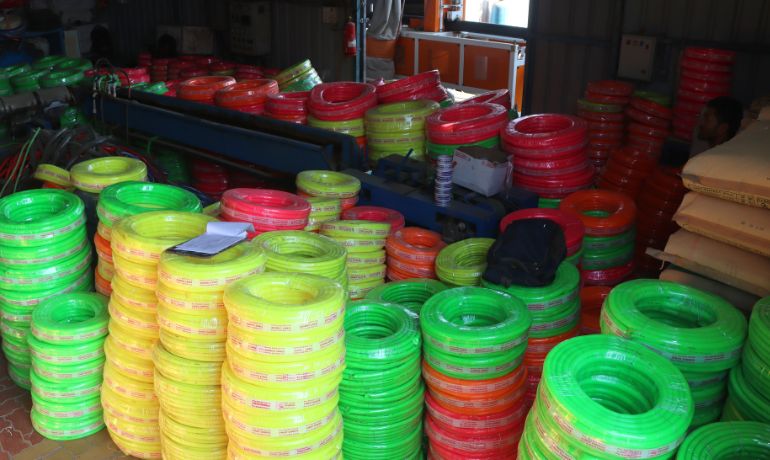
Storage habits are equally important. Folding the pipe in half, leaving it tangled, or keeping it in tight loops creates permanent stress points. A better practice is to coil the pipe in wide, even circles without twisting it. Using a hose reel is highly recommended because it keeps the pipe neatly aligned and prevents unnecessary bends. Proper storage not only prevents kinking but also extends the overall life of the pipe.
Environmental exposure should also be considered. Prolonged exposure to excessive heat or direct sunlight can soften certain types of pipes, making them more prone to bending and collapsing. Storing the pipe in a shaded area after use helps maintain its strength and flexibility over time.
Kinking in a garden pipe is not just a minor inconvenience; it disrupts work, reduces efficiency, and shortens the pipe’s lifespan. The solution, however, is simple. By selecting a high-quality pipe made from strong raw materials and by handling and storing it properly, you can significantly reduce the chances of kinking.
A durable, well-manufactured garden pipe combined with careful usage ensures smooth water flow, fewer interruptions, and long-term reliability. When you invest in quality and follow simple maintenance practices, your garden pipe will serve you efficiently for years without constant frustration.
Choosing the right pipe and caring for it properly makes all the difference between daily inconvenience and hassle-free performance.