- Sethi and Sons Industries
- Jan 1, 2026
- Production
- 0 Comments
In the world of plumbing, irrigation, and infrastructure projects, HDPE (High-Density Polyethylene) pipes have become a popular choice for contractors, farmers, and homeowners alike. Their lightweight nature, corrosion resistance, and impressive durability make them suitable for water supply lines, drainage systems, gas distribution, and much more. However, a common misconception is that all HDPE pipes offer the same performance. In reality, not all HDPE pipes are created equal. Substandard options can result in leaks, bursts, premature failure, and expensive repairs.
At Sethi & Sons Industries, we specialize in manufacturing premium HDPE pipes that stand the test of time. This guide breaks down the key indicators of high-quality HDPE pipes, helping you make smart purchasing decisions.
What Are HDPE Pipes and Why Quality Matters
HDPE pipes are manufactured from high-density polyethylene, a robust thermoplastic valued for its strength-to-weight ratio and flexibility. Since their introduction decades ago, they’ve transformed piping systems by outperforming traditional materials like metal, which rust over time, or concrete, which can crack.
The market offers a wide range of HDPE pipes, from premium grades to low-cost alternatives often made with shortcuts. Inferior pipes may degrade quickly under UV exposure, turn brittle in cold conditions, or fail under normal pressure. Selecting the right quality prevents these issues and ensures reliability, which is why Sethi & Sons Industries uses only the finest materials and processes.
Key factors to evaluate include material quality, pressure rating, flexibility, wall thickness, and certifications.
1. Material Quality: The Core of Durability
Premium HDPE pipes from Sethi & Sons Industries use virgin PE100 or PE80 resin, ensuring consistent molecular structure and superior performance.
Indicators of top-grade material:
- Smooth, glossy inner and outer surfaces free from bubbles, pits, or discoloration.
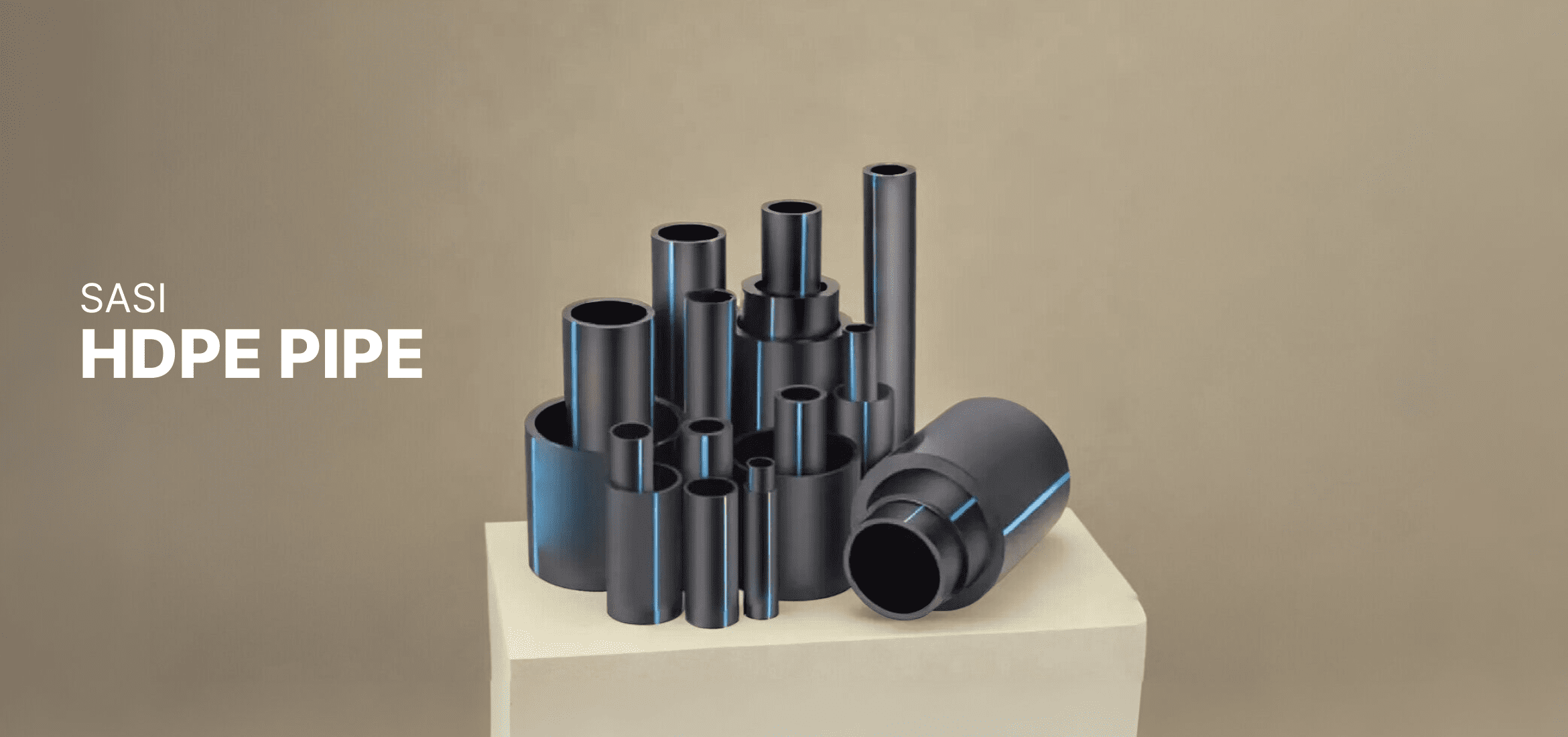
- Uniform black color (with color stripes like blue for potable water), thanks to carbon black additives for UV protection.
- No recycled fillers that compromise strength.
Subpar pipes may incorporate recycled materials, leading to rough textures, impurities, or rapid fading. These weaknesses often cause environmental stress cracking over time.
Always request material test reports or certificates confirming virgin resin usage from trusted manufacturers like Sethi & Sons Industries.
2. Pressure Rating: Ensuring It Handles the Demand
HDPE pipes are rated by Pressure Nominal (PN), indicating the maximum sustained pressure they can handle over 50 years at 20°C. Ratings like PN6, PN10, PN16, and higher denote increasing strength.
Mismatching pressure needs can lead to failures:
- Household water lines typically require PN10 or above.
- Agricultural or industrial uses often need PN16–PN20.
How to verify:
- Check for printed markings such as “HDPE PE100 PN10 SDR11”.
- SDR (Standard Dimension Ratio) correlates with wall thickness – lower SDR means thicker walls and higher pressure capacity.
Quality pipes from Sethi & Sons Industries undergo rigorous testing and won’t deform under their rated pressure.
Flexibility: Balancing Strength and Adaptability
A hallmark of HDPE is its ability to bend without kinking, simplifying installation on uneven ground.
High-grade pipes from Sethi & Sons Industries maintain flexibility across temperatures and snap back to shape after bending, thanks to superior resin.
Quick test:
- Attempt to coil or bend a sample – premium pipes handle it smoothly without cracking.
- Inferior ones feel stiff, crack easily, or deform permanently.
This property is especially valuable in seismic areas, where flexible pipes absorb ground shifts better than rigid alternatives.
Wall Thickness: Critical for Long-Term Strength
Wall thickness, linked to SDR, determines resistance to external loads (e.g., buried under soil) and internal pressure.
Thicker walls enhance durability – an area where Sethi & Sons Industries never compromises.
Checks to perform:
- Use a caliper for accurate measurement and uniformity.
- Ensure compliance with standards like IS 4984.
Thin or inconsistent walls lead to vulnerabilities in demanding applications.
Certifications: Proof of Reliability
In regions like India, the ISI mark from the Bureau of Indian Standards (BIS) verifies that pipes meet strict criteria through tests for burst strength, impact resistance, and long-term performance.
Pipes from Sethi & Sons Industries proudly carry valid ISI certification, providing traceability and peace of mind. Verify license numbers officially to avoid fakes.
Additional Red Flags to Watch For
- Surface chalking or fading: Poor UV stabilization.
- Unusual odors: Sign of impurities.
- Weak joints: Fusion should be seamless.
Purchase from trusted suppliers like Sethi & Sons Industries and insist on batch certificates.
The Long-Term Benefits of Choosing Quality
Investing in superior HDPE pipes from Sethi & Sons Industries delivers lifespans of 50–100 years with low maintenance. Inferior options may fail in under a decade, wasting resources and risking disruptions.
For irrigation, it means consistent water delivery and higher crop yields. In urban settings, it reduces leaks and conserves water. Overall, durable pipes contribute to sustainability by minimizing replacements.
Contact us today for a free consultation, customized quotes, or to place your order. Our team is ready to support your plumbing, irrigation, or infrastructure needs with products you can trust.